
Building Differently: Why Construction Is Moving Toward Industrialized and Digital Delivery


For decades, construction projects have relied heavily on site-based processes, fragmented supply chains, and coordination across multiple independent teams. As projects become more complex, this model is facing increasing pressure to deliver greater predictability in cost, schedule, quality, and performance.
At the same time, labor constraints, tighter environmental requirements, and rising expectations around productivity are forcing the industry to reconsider how buildings are delivered.
This is creating a shift in emphasis. More of the work is moving toward controlled production environments, digital coordination, and earlier technical decision-making. The objective is not simply to build faster. It is to make project delivery more predictable, repeatable, and capable of meeting increasingly demanding performance requirements.
When Construction Starts Looking More Like Manufacturing
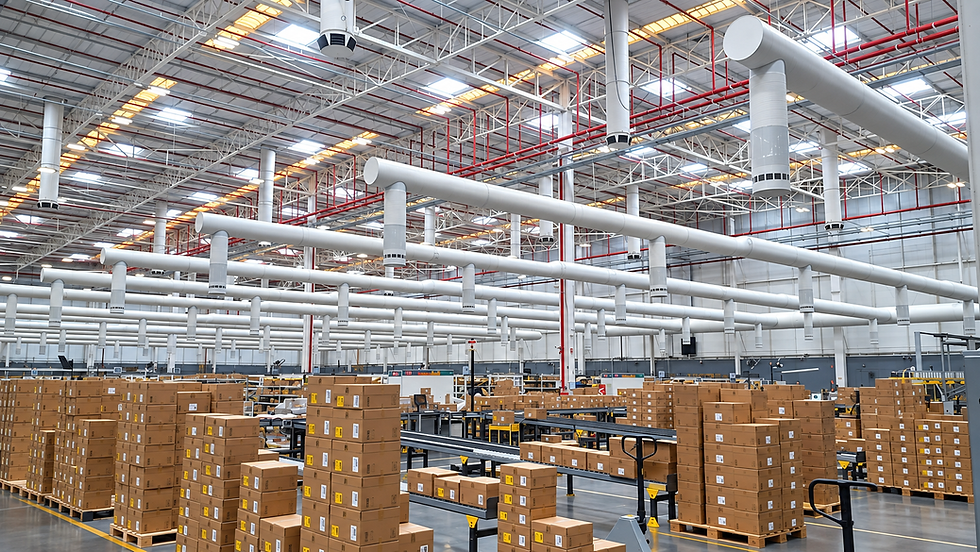
One of the clearest manifestations of this shift is the growth of industrialized and off-site construction. Instead of carrying every stage of production to the job site, projects can increasingly rely on components and systems manufactured under controlled conditions and assembled later. This can introduce greater standardization, quality control, and predictability into the construction process.
However, industrialization changes the project before construction even begins.
Components need to be designed around manufacturing constraints, transportation, assembly, interfaces, and final installation. Engineering decisions that might once have been resolved later in the process increasingly need to be defined earlier.
That changes the role of coordination. The more industrialized the delivery model becomes, the greater the cost of getting technical decisions wrong at an early stage.
Digital Coordination Becomes Critical When Projects Become More Complex
This is where digitalization becomes more than a productivity tool.
BIM, digital coordination platforms, project information systems, and automated workflows can help teams manage increasingly complex interactions between design, fabrication, construction, and operation.
The value, however, does not come from the software itself. It comes from creating a reliable flow of information between the people and systems involved in delivering the building.
As industrialized components become more common, digital coordination becomes particularly important because the consequences of an error can extend beyond the site. A design incompatibility can affect fabrication, logistics, installation, and ultimately project cost and schedule.
Digitalization therefore becomes part of the delivery model itself, rather than an additional layer added to a conventional process.
Decarbonization Is Changing What “Better Construction” Means
The definition of project performance is also expanding.
A building that is delivered on time and within budget may no longer be enough. Developers, owners, and project teams are increasingly expected to consider energy performance, embodied carbon, material efficiency, and long-term operational outcomes.
This changes decisions made throughout the project.
Material selection, manufacturing processes, transportation, building systems, and construction methods can all influence the environmental performance of an asset. As these factors become more visible, sustainability moves closer to the center of technical and commercial decision-making.
The relationship with industrialization is particularly relevant. More controlled production can improve material use and process consistency, while digital tools can support measurement, coordination, and performance analysis. The opportunity is to connect these capabilities rather than treating them as independent initiatives.
What REBUILD Reveals About the European Construction Market
These questions were central to REBUILD 2026, one of Europe's leading events focused on innovation and sustainable construction.
REBUILD brings together companies and professionals working across industrialized construction, digitalization, sustainability, and building technologies. The event provides a useful view of how the European market is responding to pressures around productivity, construction methods, project delivery, and decarbonization.
Earlier this year, Heitor Tremea, JoinWise co-founder, attended REBUILD in Spain and engaged with professionals and companies working across these areas. His participation provided direct exposure to the discussions shaping the market, including how European companies are approaching new construction methods, digital coordination, sustainability, and the practical demands of increasingly complex projects.
For JoinWise, the value of this exposure is not limited to identifying new products or services. It provides a closer understanding of where project requirements are changing, what capabilities are becoming more relevant, and where specialized expertise can contribute to the delivery of international projects.
Connecting Specialized Brazilian Expertise With Project Needs
Understanding these changes helps Joinwise identify where Brazilian technical expertise can contribute to projects in Europe and North America.
Brazil has a broad ecosystem of engineering and technical-service firms working across building performance, sustainability, BIM, engineering design, and specialized consultancy. The challenge is not simply making these capabilities available abroad. It is understanding where they fit into a project's specific technical and commercial context.
This is the role JoinWise plays: connecting project needs with vetted Brazilian expertise and helping create partnerships around defined scopes, complementary capabilities, and clear delivery requirements.
Our participation in REBUILD contributes to that process by keeping JoinWise close to the market discussions shaping the European built environment and helping us understand where Brazilian technical capabilities can create value.
About the Author
This article was developed by JoinWise based on insights gathered during REBUILD 2026 in Spain, including observations from our co-founder Heitor Tremea, who attended the event and engaged with professionals across the European built-environment market.
Through its network of Brazilian engineering and technical-service companies, JoinWise connects clients in North America and Europe with specialized expertise for high-performance projects across the built environment.


Comentários